
People in the UK care about fairness, belonging and the possibility of practical change, according to a new mega poll of 45,000 people conducted by HOPE not hate and Ecotricity.
Tackling economic insecurity and rebuilding community is the ticket back to a politics that builds on positivity. We want people across the UK to harness the hope that so many of us feel by backing policies that boost economic security, reaching out across dividing lines and rejecting the politics of blame.
The poll finds that many people are unhappy about the state of Britain, fearful that it might get worse but also very keen for it to be better. There is overwhelming support for Government initiatives to address their economic anxieties and bring divided communities together.

52% of people in the UK would describe themselves as optimistic about the future. However, optimism is not spread evenly throughout the population: the economic hardship of the last five years has not slowed down, and for many there’s still little left to go around for savings or little luxuries after the essentials are sorted.
People experiencing financial difficulty are more likely to feel negative and hopeless. This pessimism can turn itself outwards, with the most vulnerable people in society scapegoating and blaming each other.
People like to talk about what “people in the UK” are thinking or feeling. Politicians, the mainstream media, the accounts you follow on social media: they all use the “national mood” to make populist, pessimistic points. They thrive on polarisation, but we don’t.
So we did our biggest ever poll – 45,335 people to be exact – to find out what they really think. And it turns out that beyond the headlines, the UK is a hopeful place.
Below, we lay out some of the key issues facing the UK today and the progressive solutions that will keep us moving forward without scapegoating, violence and hatred.
56% of people think that their trust in government will get worse over the next five years, and only one in four (24%) are satisfied that the political system works well in the UK. When asked to select which professions could generally be trusted to tell the truth, only 5% selected politicians.
But people also know what they want the Government to do about this: it’s to bring power closer to home. Three quarters of people (76%) agree that local communities know better than Westminster what their community needs and 69% are in favour of the Government trialling new ways of involving the public in decision making, such as citizens’ assemblies or online debates.
59% of people are concerned that our communities are divided, and say that they would not be surprised to see serious violence break out between different ethnic or religious groups. However, when you ask them about their own community, they are much more positive: 4 in 5 people say they like mixing with people of other ethnicities, religions and backgrounds in their local area and two thirds of people say that their local community is peaceful and friendly.
49% of people think that Britain should be multicultural, allowing people to celebrate their own traditions while embracing shared British values. Only 16% of people think that Britain should be a white, Christian country – but this minority is often overrepresented in the media. The Government must be confident in defending multiculturalism in Britain.
The three things people think are most important in a good community are low crime levels, neighbours who look out for each other and access to healthcare. These are pragmatic, actionable desires that everyone deserves. People are clear about who they hold responsible for fixing divisions in communities: two thirds (67%) agree that the Government should do more to improve community cohesion, whilst only 5% disagree.
People in the UK have more complicated views about immigration than they are often given credit for. Although a lot of people think that immigration puts pressure on public services, just under half (46%) also agree that many organisations, including in the public sector, couldn’t cope without immigrants.
When it comes to the UK’s international responsibility to take in refugees, strong opponents are in the minority. Just 12% strongly oppose the UK being part of the European Convention on Human Rights, compared to 20% of those who strongly support it. Only one in four people actively oppose the UK’s membership.
50% of people think that new immigrants don’t want to integrate. Conversations about immigration must be conducted in a way that does not compromise the safety of immigrants, real people who have sought a life in the UK. The Government and media set the tone about how we have these debates, and they need to heed this responsibility. Since people are positive about their local areas, finding ways for new newcomers to actively participate in their communities is essential to improving relationships at the local level.
When people are asked about what impacts their daily lives, the cost of living and the NHS eclipse immigration. Sadly, just one in three people would describe their financial situation as comfortable or better, meaning the rest (64%) feel they can’t afford essentials and save for a rainy day, or enjoy a few luxuries.
People want resources to be distributed more evenly in society to improve everyone’s access: 79% of people want more funding for the NHS instead of an insurance-style system.
Three quarters of people agree that wealthy people are getting richer while poorer people are falling further behind, as well as wanting controls on the wealthiest in society including a new tax and preventing foreign wealth from inflating the housing market. People are also overwhelmingly in favour of efforts to change this, supporting measures such as the right to sick pay, a decent minimum wage and ending fire-and-rehire. With the new Employment Rights Bill, the Government has an opportunity to show people that they are doing the right thing.
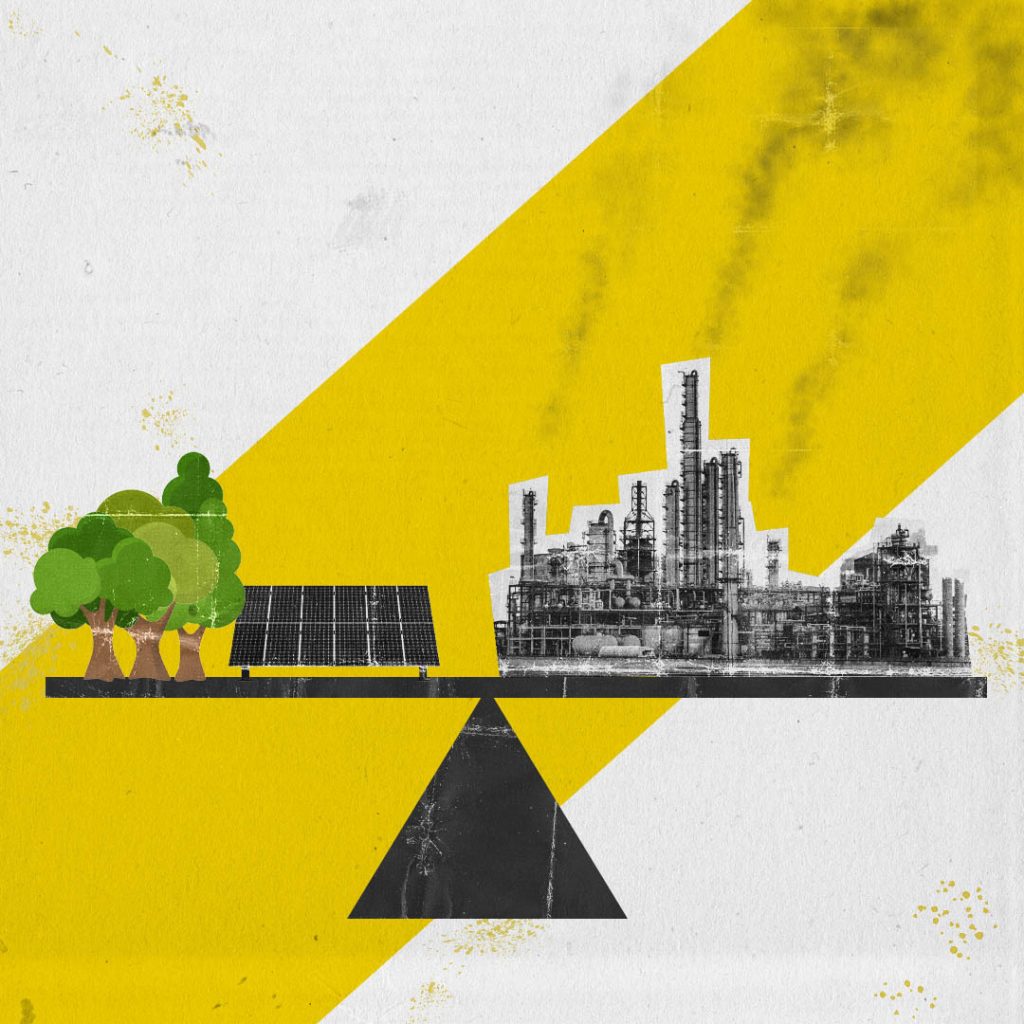
People in the UK are under no illusion that climate change is happening: two thirds of people agree that climate change is caused by human activities and 53% believe that weather and climate conditions will get worse over the next five years. Six out of ten people agree that climate change poses a threat to their own future wellbeing, as well as that of their families.
Three quarters of people agree that big business should have to pay for emissions reduction and environmental protection in line with their impact. 51% think that for the future of the planet we have no choice but to move to Net Zero by 2050 whereas 49% think that the economic impact of achieving Net Zero by 2050 is too much to accept and we should have less ambitious targets. This suggests that opposition to Net Zero is partially economic, not about denial of science. If the Government can clearly communicate that achieving Net Zero won’t necessarily cost working people their livelihoods or increase their energy bills, and in fact it could generate new industries and good jobs, support might increase beyond half.
We can choose not to define ourselves by division and decline. The majority of us want fairness, dignity and belonging, but we need action from our Government and civic leaders to rise to these expectations. Hope doesn’t mean ignoring your concerns about various aspects of life today, it means believing that we can still find solutions.
At an individual level, we must all remain ready to support the solutions that turn our fragile optimism into concrete progress and make a positive vision of Britain possible. That means standing up for multiculturalism, having empathy for the struggles people face and building stronger connections in our own communities.